

Nuestra misión es detener los incidentes entre personas y vehículos en entornos de construcción.
Nuestra misión es detener los incidentes entre personas y vehículos en entornos de construcción.
Solicitar un presupuestoLa construcción es una de las industrias más peligrosas en cuanto a colisiones entre vehículos y peatones, con más de 15.000 trabajadores heridos en Estados Unidos entre 2023 y 2024.
Somos conscientes de que los distintos entornos y proyectos de construcción tienen requisitos específicos. Por eso hemos desarrollado un ecosistema de productos de seguridad que le permite elegir la mejor opción para sus necesidades, desde sistemas avanzados de detección por cámara con IA hasta tecnología líder en el mercado de advertencia de proximidad, todo ello respaldado por un completo panel de análisis de datos en línea.
Detección de proximidad basada en etiquetas
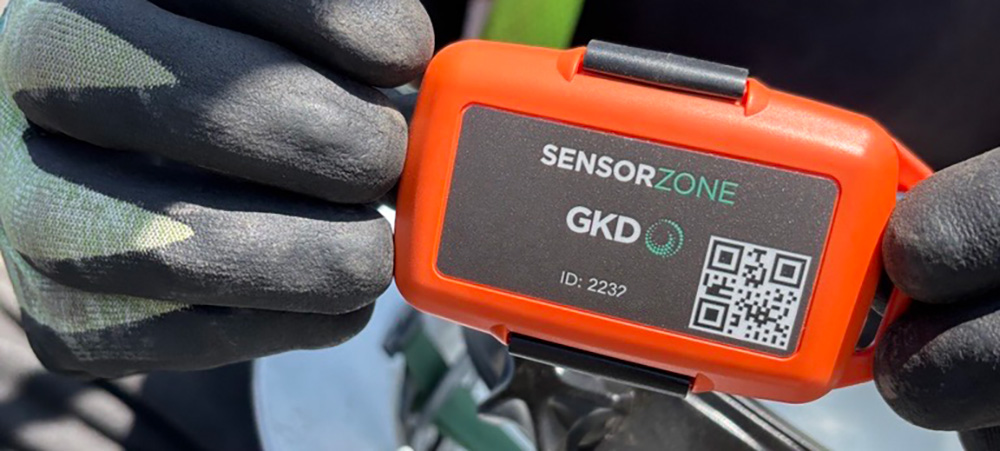
Proximity Warning Core utiliza etiquetas personales RFID y antenas montadas en el vehículo para detectar a los trabajadores en un campo completo de 360 grados alrededor de la maquinaria pesada.
Detección exclusiva por cámara con IA
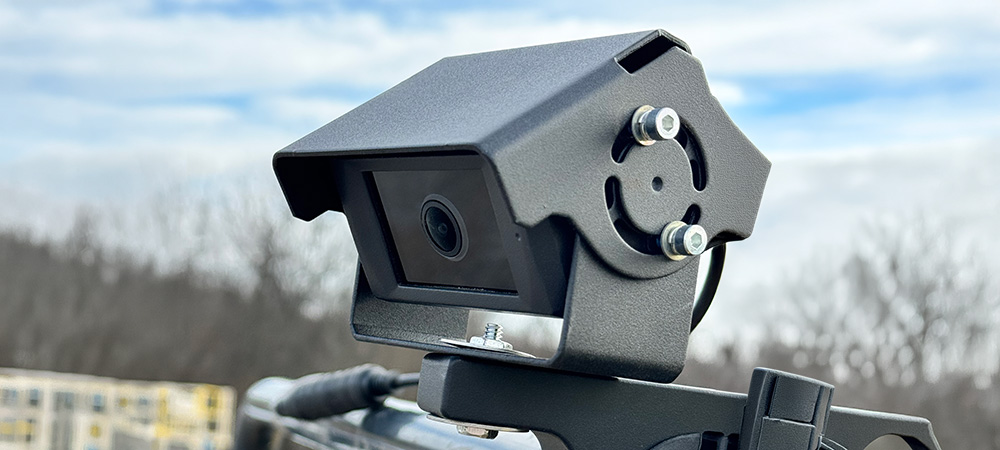
Un sistema de detección por cámara autónomo que utiliza IA avanzada para detectar personas y vehículos.
Ofrece alertas de distancia con código de colores y la opción de transmisión en vivo y descarga de clips de video.
Detección híbrida de etiqueta y cámara
Proximity Warning Plus añade la detección por cámara con IA a la tecnología basada en etiquetas de Core, creando un sistema de seguridad de doble capa ampliamente considerado como el estándar de oro en seguridad de alertas de proximidad.

Adapte cualquier vehículo de construcción sin tener que retirarlo del servicio durante todo un día.

Sin dependencia de GPS ni de red celular. Funciona bajo tierra, en túneles y en entornos sin GPS.

Los componentes con clasificación IP67 resisten el polvo, la lluvia, los impactos y las vibraciones en centros de construcción activos.

Elija el sistema que mejor se adapte a sus necesidades actuales, con la opción de añadir productos adicionales en el futuro.
Apoya el cumplimiento de las directrices de seguridad laboral de la OSHA y de las orientaciones de seguridad en la construcción de la HSE del Reino Unido.

Saque a la luz patrones, prediga áreas de riesgo y ofrezca recomendaciones prácticas,

Desde los puntos ciegos de las excavadoras hasta las carreteras de transporte congestionadas, los centros de construcción presentan desafíos únicos que las medidas de seguridad estándar no pueden abordar por completo. SensorZone ofrece soluciones específicas para cada uno de ellos.
La zona de baja visibilidad alrededor de una excavadora se extiende varios metros en todas las direcciones, y el ruido oculta la llegada de los trabajadores. Las etiquetas RFID de Proximity Warning Core eliminan esencialmente los puntos ciegos en un campo completo de 360 grados, alertando al operador incluso cuando el trabajador es completamente invisible desde la cabina.
Las máquinas dando marcha atrás provocan cada año numerosos incidentes laborales graves en la construcción. SensorZone ofrece protección activa en marcha atrás, mediante cámaras y/o etiquetas, que proporciona alertas directas tanto al conductor como a cualquier trabajador que se encuentre en la trayectoria de la marcha atrás.
En las obras de construcción de gran tamaño, las carreteras de transporte soportan un flujo continuo de volquetes, hormigoneras y vehículos de reparto junto con trabajadores peatones. Las cámaras Vision360 en los puntos de intersección detectan a personas y vehículos sin necesidad de etiquetas, proporcionando una capa adicional de protección.
Donde los pasillos peatonales cruzan las rutas de los vehículos, el riesgo de colisión aumenta. SensorZone detecta a los trabajadores con etiqueta que se aproximan a rutas de vehículos activas y activa alertas simultáneas tanto al operador de la máquina como al trabajador, evitando incidentes en los puntos más peligrosos del centro.
Estamos orgullosos de ser el proveedor de sistemas de advertencia de proximidad de referencia para algunas de las principales empresas de construcción del mundo.







Cada evento de proximidad en su centro de construcción se registra y se transmite al SensorZone Insights Platform. Este panel basado en la nube transforma los datos de detección sin procesar en inteligencia que le ayuda a prevenir incidentes antes de que ocurran.
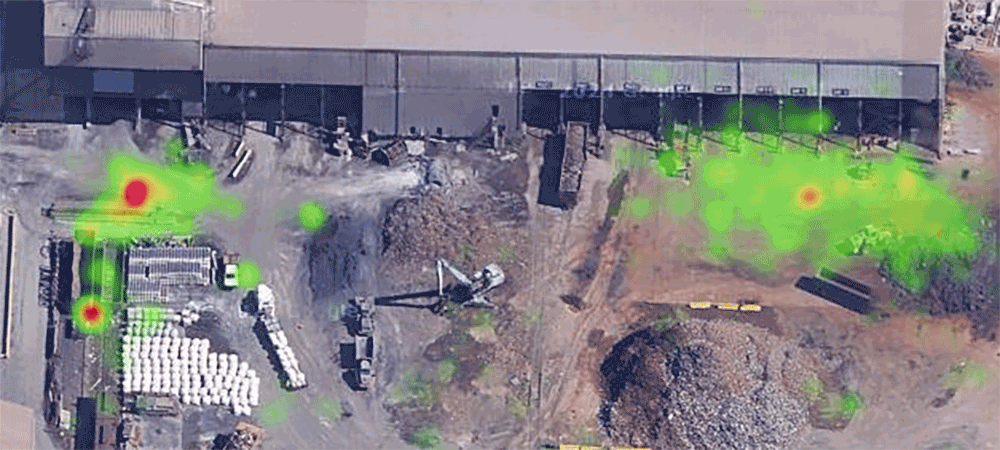
Visualice exactamente dónde se concentran los incidentes sin consecuencias en su centro de construcción. Utilice los mapas de calor para rediseñar las rutas de tráfico, reubicar las barreras y hacer cumplir las zonas de exclusión de peatones en las áreas de mayor riesgo.
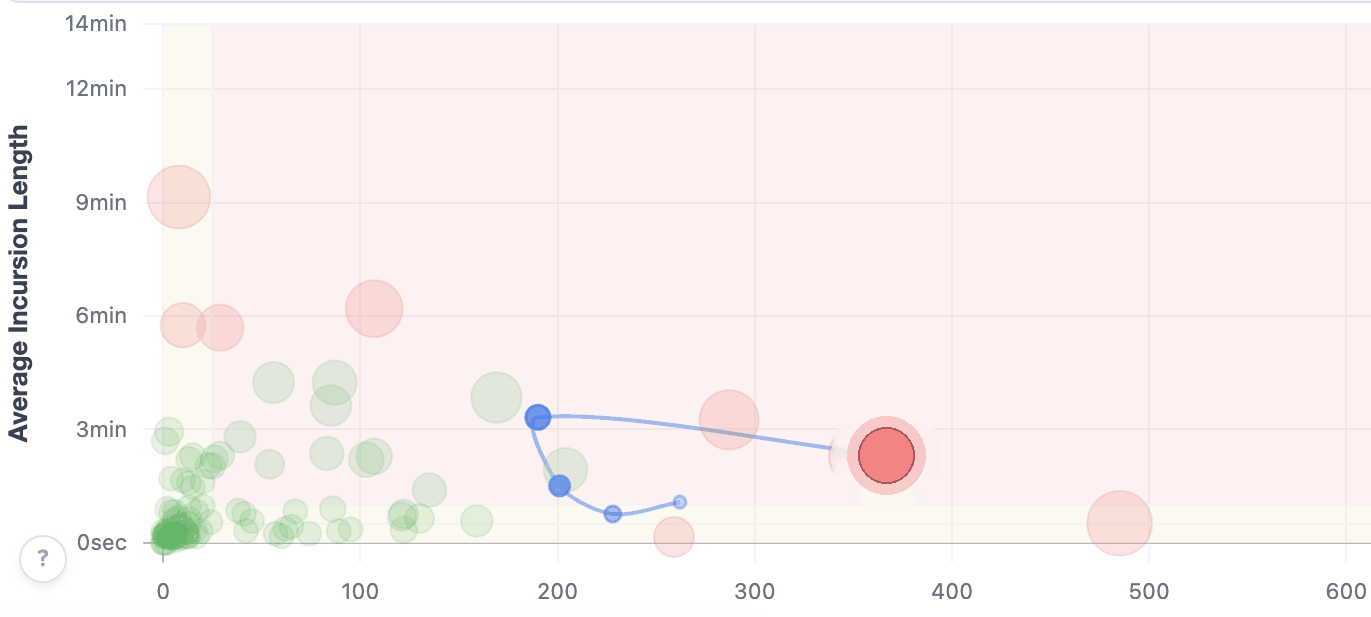
Vea al instante las anomalías y los valores atípicos de alto riesgo en sus datos de seguridad. El Insights Platform señala patrones inusuales, como picos en el rendimiento de seguridad deficiente, infractores reincidentes u operadores que no confirman sistemáticamente las alertas, para que pueda intervenir antes de que se produzcan incidentes.
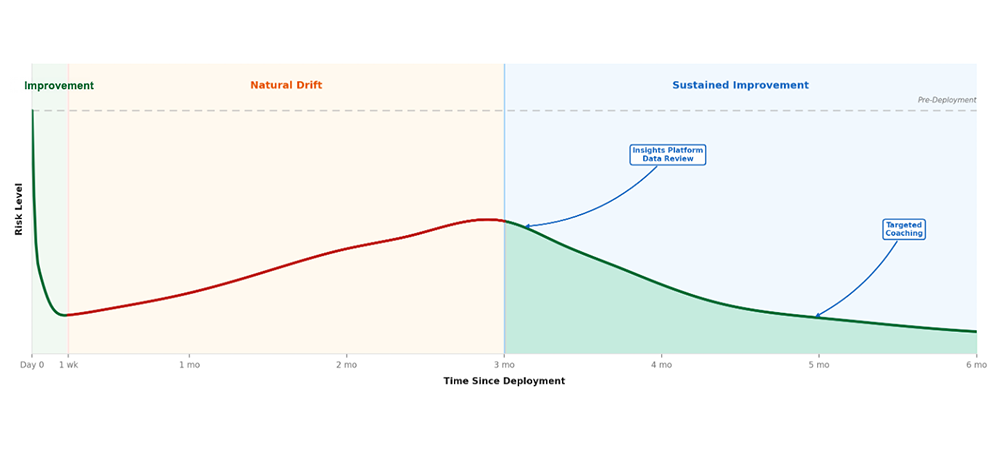
Realice un seguimiento de cómo cambian los comportamientos de seguridad de los trabajadores y los operadores a lo largo del tiempo. Identifique a quienes generan más riesgo, supervise la eficacia de la formación y de las charlas de seguridad, y mida si las intervenciones en el centro están reduciendo la frecuencia de los incidentes sin consecuencias.
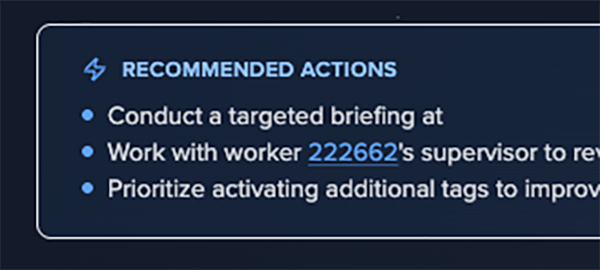
Nuestra potente IA del Insights Platform supervisa y analiza continuamente sus datos de seguridad del centro en segundo plano, extrayendo resúmenes rápidos sobre lo que va bien, lo que requiere mejoras y las acciones recomendadas.
¿Le interesa probar un sistema SensorZone en su organización o centro de trabajo?
Si es así, o si simplemente desea hablar con un miembro de nuestro equipo, rellene el breve formulario que aparece a continuación y nos pondremos en contacto con usted.
No. Todos los trabajadores del centro llevan la misma etiqueta RFID de SensorZone. Las etiquetas pueden asignarse y supervisarse de forma centralizada a través del Insights Platform, independientemente del contratista al que pertenezca el trabajador. Esto facilita la coordinación en todo el centro, incluso cuando varios contratistas operan simultáneamente.
Proximity Warning Core puede instalarse de forma permanente en la maquinaria propia, mientras que SensorZone Flex puede acoplarse temporalmente a los equipos alquilados o temporales. Ambos sistemas utilizan las mismas etiquetas y se integran en el mismo Insights Platform, lo que le proporciona una cobertura unificada en toda su flota.
Un sistema de advertencia de proximidad coloca una zona de detección alrededor de cada vehículo de construcción del centro. Los trabajadores peatones llevan una pequeña etiqueta RFID que activa una alarma si entran en la zona de detección. Tanto el operador como el trabajador reciben alertas simultáneas, lo que crea una responsabilidad compartida por la seguridad. Sistemas como SensorZone también envían cada evento a un panel en la nube, generando mapas de calor y datos de tendencias que ayudan a los responsables del centro a identificar las zonas de alto riesgo y a tomar medidas preventivas.
El método más eficaz es implantar un sistema de advertencia de proximidad basado en etiquetas. A diferencia de los enfoques tradicionales que dependen únicamente del conocimiento del operador, un PWS comparte la responsabilidad entre los operadores y los trabajadores peatones al proporcionar alertas activas a ambas partes. Desde que SensorZone comenzó a implantarse en centros de construcción de Estados Unidos en 2021, no se ha registrado ningún incidente entre trabajadores y máquinas en un centro que utilice el sistema.

