
Proximity Warning

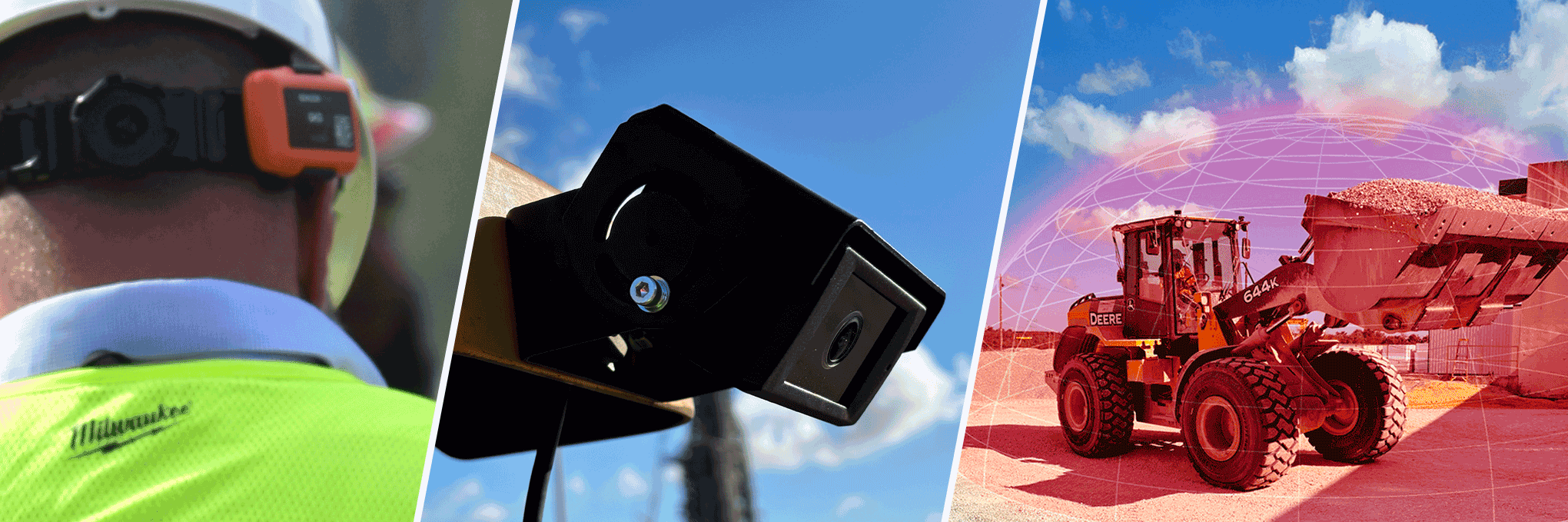
Every year, hundreds of workers are killed or seriously injured in collisions with mobile plant or vehicles in industrial workplaces. These incidents - often involving forklifts, excavators, dump trucks, and other heavy machinery - are among the most preventable causes of workplace fatalities. Proximity warning systems (PWS) have emerged as one of the most effective technological solutions to this problem, offering a critical additional layer of protection beyond traditional safety measures like barriers, signage, and training.
But what exactly is a proximity warning system, and how does it keep people safe? Whether you\'re a Health and Safety Manager exploring options for the first time, or an Operations Director looking to reduce risk on your sites, this guide explains everything you need to know.
A proximity warning system is an electronic safety system designed to detect when a pedestrian worker is dangerously close to a moving vehicle, and to alert one or both parties to the potential danger. The system creates an invisible detection zone around the vehicle, which can typically have an adjustable range. When a person enters that zone, the system triggers a series of alerts - usually a combination of audible, visual, and haptic (vibration) warnings - giving the vehicle operator and the pedestrian worker time to react and avoid a collision.
Proximity warning systems are sometimes referred to by other names, including proximity alert systems, proximity detection systems, pedestrian detection systems, and collision avoidance systems. While there are subtle differences between these terms, they all describe technology aimed at preventing contact between people and vehicles in the workplace.
The basic principle behind every proximity warning system is the same: detect a person\'s presence near a vehicle and issue a warning before a collision can occur. However, the specific technology used to achieve this varies significantly between systems. The two most common approaches are tag-based systems and camera-based systems.
Tag-based proximity warning systems require pedestrians to wear or carry a small electronic tag - often integrated into a hard hat or high-vis vest. Vehicles are fitted with detection units that communicate with these tags using technologies such as RFID (Radio-Frequency Identification) or UWB (Ultra-Wideband). When a tag enters the detection zone around a vehicle, the system activates the alert mechanisms for both the operator and pedestrian worker.
Camera-based systems use AI-powered cameras mounted on vehicles to detect the presence of people without the need for tags. These systems use computer vision and machine learning algorithms to identify human shapes in the camera\'s field of view and issue warnings to the vehicle operator of their presence.
Both approaches have their strengths. Tag-based systems are highly reliable in harsh or unpredictable environments - they work through dust, rain, fog, darkness, and around blind corners because they don\'t need line of sight. Camera-based systems can detect anyone, including visitors who may not be wearing a tag, but may be affected by poor visibility, obstructions, or environmental conditions.
When a proximity warning system detects a pedestrian within the danger zone, the type of alert received depends on the system which is in installed on the vehicle. A tag-based system would typically activate a vibration on the worker's tag, notify the operator via the in-cab display, and sound an alarm beacon attached to the roof of the vehicle.
AI camera systems usually have a display inside the camera to warn the vehicle operator, with alerts coming in the form of a visual on-screen warning and an audible alert emanating from the display.
Proximity warning systems are deployed across a wide range of industries where vehicles and pedestrian workers share workspace. The most common applications include construction sites, where excavators, dumpers, and telehandlers operate near ground workers; warehouses and distribution centres, where forklifts move through areas shared with picking and packing staff; waste management and recycling facilities, where refuse vehicles and sorting machinery pose risks to operatives; quarries and mining operations, where large haul trucks and loaders work in close proximity to workers; and ports and logistics hubs, where container handling equipment operates alongside personnel.
In each of these environments, the combination of heavy vehicles, restricted visibility, background noise, and time pressure creates conditions where collisions are a constant risk.
Traditional safety measures - such as traffic management plans, pedestrian walkways, mirrors, reversing alarms, and banksmen - all play important roles in workplace safety. However, they all rely on human behaviour and attention, which are inherently fallible. A moment\'s distraction, a missed hand signal, or a worker who steps outside a designated route can lead to a potentially serious incident.
Proximity warning systems add a safety layer that operates independently of human attention. They provide consistent, reliable detection and alerting regardless of environmental conditions, shift patterns, fatigue levels, or individual behaviour. This doesn\'t replace existing safety measures - it strengthens them by creating what safety professionals call \"defence in depth.\"
The data these systems generate is equally valuable. Modern proximity warning solutions record every alert event, creating a detailed picture of where, when, and how often near-miss incidents occur. This data can be used to identify high-risk zones, improve traffic management, redesign site layouts, and deliver targeted training - transforming reactive safety management into a proactive, data-driven approach.
Tyler has worked with safety products for over 5 years, in a range of applications from smart barriers to protect highway workers, to the SensorZone Proximity Warning System - helping reduce accidents in a wide range of industries.
Request a free site assessment and discover how SensorZone proximity warning systems can reduce risk across your operation.

