

Combining tag-based detection with AI cameras to create one unified alerting system that protects workers, visitors and members of the public.
Combining tag-based detection with AI cameras to create one unified system that protects workers, visitors and members of the public.
Get a Quote
Many worksites have a mix of permanent employees who can be issued tags and temporary visitors who cannot. Consider a waste transfer station where delivery trucks arrive throughout the day, a construction site where subcontractors rotate weekly, or a warehouse where courier drivers enter the loading bay. In each of these scenarios, relying solely on tag-based detection leaves a gap. Proximity Warning Plus closes that gap with reliable, advanced AI camera coverage.
Three integrated layers work together to deliver complete proximity protection for every person on your site, whether they carry a tag or not.
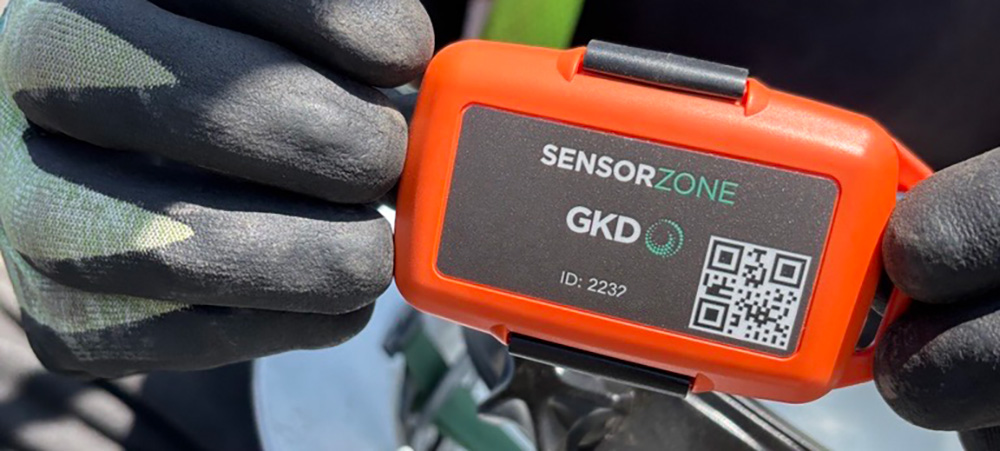
Identical to Proximity Warning Core, vehicle-mounted antennas detect RFID tags in a 360-degree field.
Each tagged worker is identified individually, and alerts are triggered when they enter a configurable warning zone. Tags last over three years without recharging.
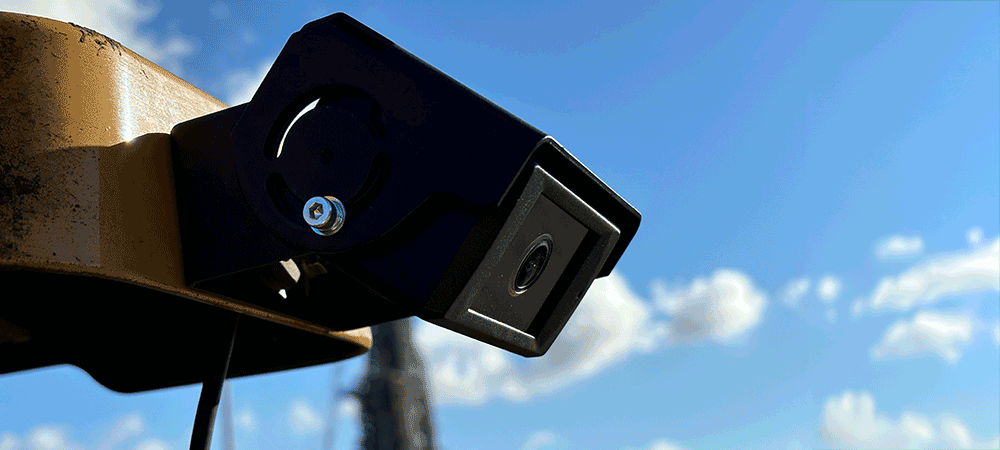
Onboard cameras use trained machine-learning models to identify human figures in the vehicle's surroundings.
When a person is detected within the cameras vision, the driver receives a visual and audible alert.

Proximity Warning Plus continuously records video from all onboard cameras. When a tag-based alert is triggered, the system bookmarks the footage for easy retrieval.
Safety managers can review near-miss incidents from the Insights Platform without scrolling through hours of video.
RFID tags for known workers; AI cameras for untagged visitors and public.

Full detection around the machine and its environment from the tag antennas and camera fields of view.
Automatic event-triggered recording for incident investigation and evidence.

All events from both systems feed into one unified analytics dashboard.

Reliable audible, visual and haptic alert system for operators and pedestrian workers.

Via API and direct integration with major management platforms.

Every Proximity Warning Plus system feeds detection data from both tag and camera layers into SensorZone's cloud-based Insights Platform. Safety managers get a unified view of all events, video clips, and fleet health - all from a single dashboard.
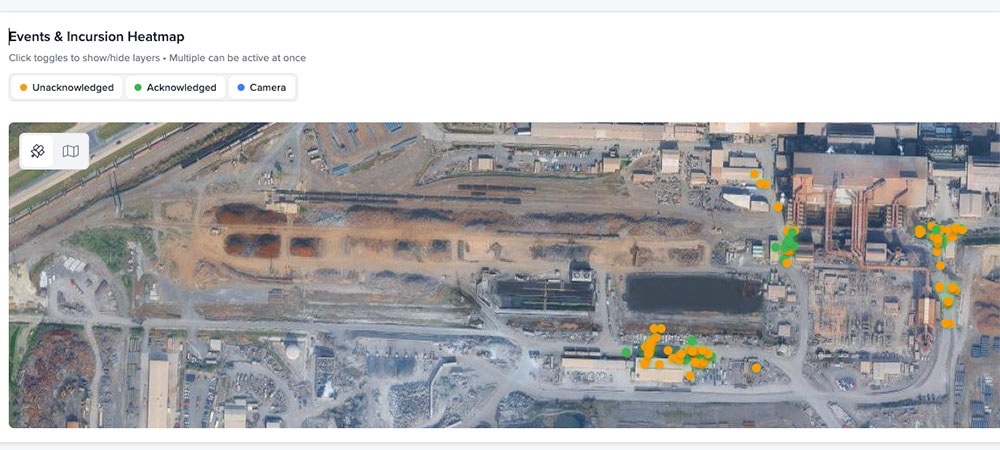
Unified Event Dashboard
View all tag-based and camera-based detection events in one place. Filter by vehicle, operator, time, or event type to quickly identify patterns and high-risk situations.

Video Clip Review
When a tag-based alert is triggered, the system automatically bookmarks the video footage. Safety managers can review the exact moment of each event without searching through hours of recordings.
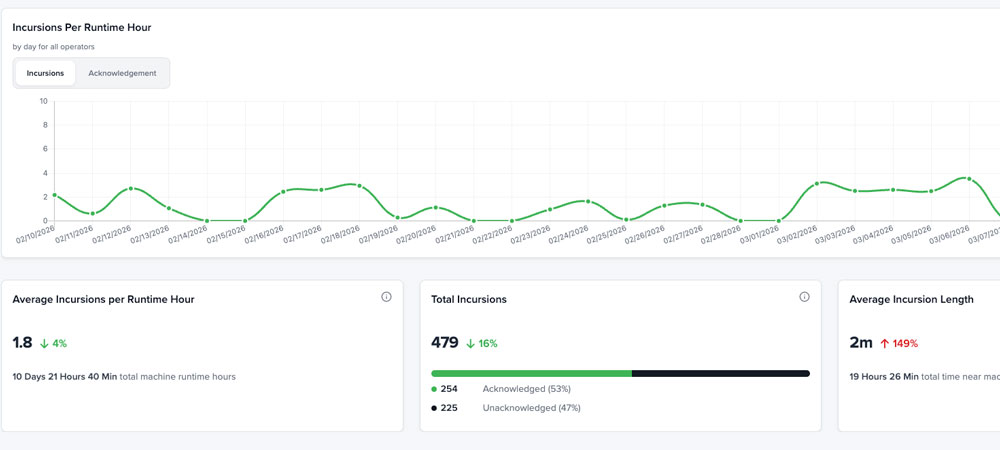
Reporting & Compliance
Generate detailed safety reports for compliance audits and management reviews.
Export data via CSV, connect to Power BI, or integrate directly through the API for automated workflows.
Many operators deploy Proximity Warning Core across the majority of their fleet and upgrade specific vehicles operating in high-traffic or public-facing areas to Proximity Warning Plus.
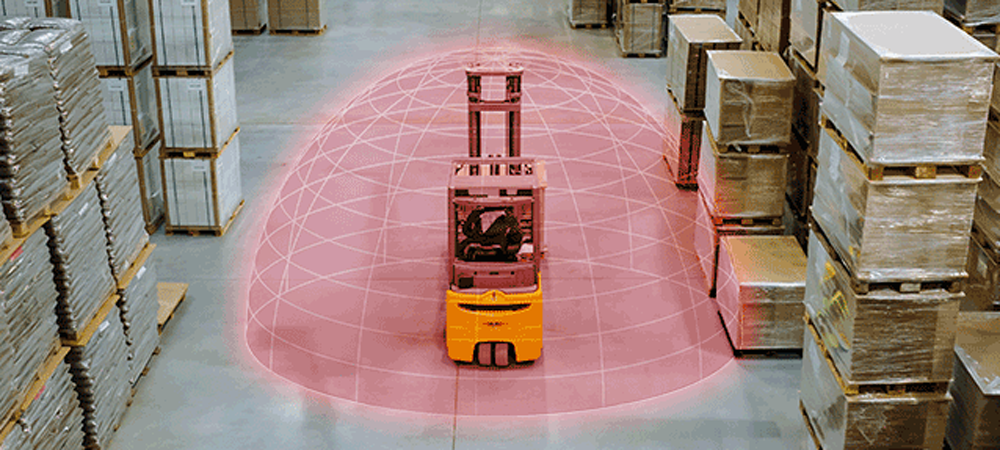
Best when all personnel on site can be issued and required to carry a tag. Provides precise individual identification, 360-degree detection, and full data analytics via the Insights Platform.

Best when the site has a mix of tagged employees and untagged visitors, contractors, or members of the public. Combines RFID precision with AI camera coverage so no one is left unprotected.
Are you interested in piloting Proximity Warning Plus for your organization or work site?
If you are - or if you just want to speak to a member of our team - please fill out the short form below and we'll get back to you.
Detection Technology
RFID + AI Camera (Dual)
RFID Detection Range
1–10 metres (configurable)
Camera Detection Range
Up to 20 metres
Detection Field
360° (RFID) + camera coverage
Tag Battery Life
3+ years (no charging)
Untagged Person Detection
Yes via AI camera
Video Streaming
Live streaming + on-demand clip download
Installation Time
Under 2 hours per vehicle
Operating Temperature
-20°C to +60°C
IP Rating
IP67
No. Proximity Warning Plus performs all detection and alerting onboard the vehicle in real time. Internet connectivity is only required for uploading event data and video to the cloud-based Insights Platform, and this can be synced when connectivity is available.
RFID tag detection provides precise individual identification and is the most reliable method for known workers. Camera detection is highly effective at identifying human figures in the danger zone but does not individually identify the person. Proximity Warning Plus uses both methods together so that tagged workers benefit from precision identification while untagged people are still detected and protected.
Yes. Proximity Warning Plus is designed as an upgrade path from Proximity Warning Core. The camera modules and processing unit are added to the existing installation. This makes it straightforward to start with Proximity Warning Core and upgrade selected vehicles to Proximity Warning Plus as your site needs evolve.
Proximity Warning Plus can be fitted to virtually any heavy vehicle, including excavators, dump trucks, loaders, forklifts, cranes, bulldozers, and refuse collection vehicles. The modular design allows the number of antennas and cameras to be tailored to each vehicle type and its specific blind-spot requirements.
When either the tag-based system or the AI camera detects a person within the danger zone, the same graduated alert sequence is triggered on the in-cab display. The operator sees a consistent green-amber-red warning regardless of whether the person was detected by their RFID tag or by the camera. This eliminates confusion and ensures a single, reliable response protocol.
Vision360 cameras are IP67-rated and built to withstand harsh site conditions including dust, rain, and vibration. If a camera's view is significantly obstructed, the tag-based detection layer continues to operate independently, ensuring there is no single point of failure in the safety system. The Insights Platform also monitors camera health and flags any issues to the safety manager.